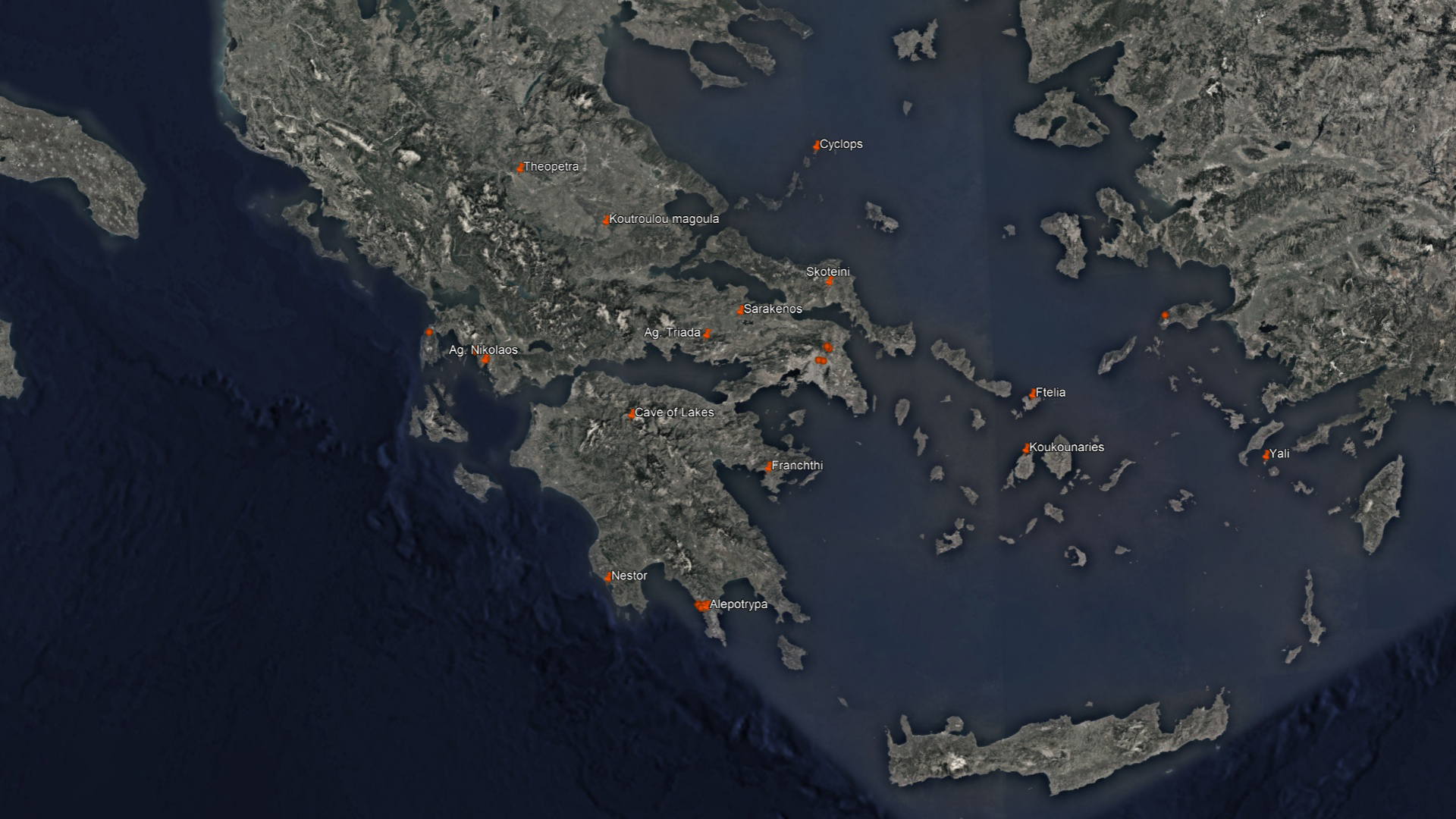
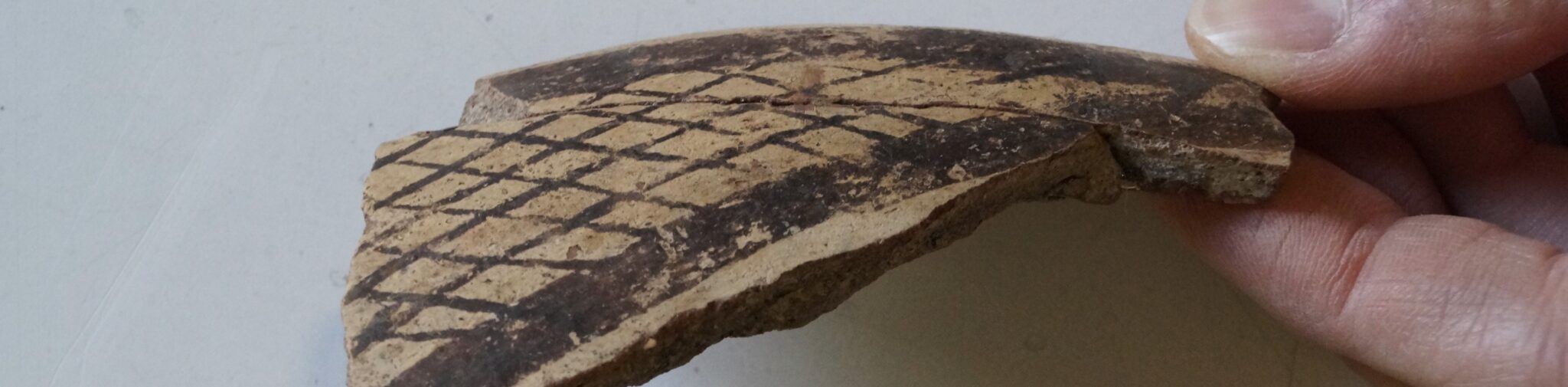
What does the “study of prehistoric pottery” mean? Opening dozens or hundreds of bags, examining thousands of ceramic sherds, lifting heavy crates, running between islands and mountains, working in cramped storerooms, living among dust. Endless exhausting hours in front of a laptop to make a database work. Endless days and labor-hours spent examining sherd after sherd—work that even you, sometimes doubt is worth the effort. It is a massive financial investment. It is the frustration of realizing you have lost precious time moving in the wrong direction. The uncertainty in front of a conclusion, or the anxiety of a presentation you have not prepared well enough. And so much more…
Why do I continue then? Because of the pull of research itself, and the fascination with a close relative of ours: prehistoric humanity. How did they live? How did they make their things? What did they think? Because our imagination is rekindled every time a new book, a conference, a meaningful conversation, or a new idea suddenly casts light on an old conclusion. Because in this work, you are constantly learning new things, come across multiple lines of thought, ask new questions that keep you alert and intellectually alive. Perhaps because research ultimately leads not to the writing of a scientific explanation or a description, but to the creation of a compelling narrative, into which every archaeologist places something of themselves.
On the next pages, you can read some of these …unfinished narratives that I have written.